

A 28-day randomized double-blind trial recently found that a compound derived from cactus fruit reduced sebum output by over 21% and shrank visible pore size by nearly 10%. That result came from a plant, not a pharmaceutical lab. For years, the default assumption was that synthetic actives were simply more powerful and more reliable than anything grown in the ground. That assumption is wrong. Clinical trials demonstrate natural extracts rival synthetics in efficacy, and in some cases outperform them while delivering fewer side effects. Here’s what the science actually shows, and how to put it to work for your skin.
Table of Contents
- The science behind natural skincare
- Purity and sustainability: Why they matter
- Clinical evidence: Natural vs. synthetic performance
- Modern natural skincare: Blending tradition and innovation
- The uncomfortable truth about natural skincare
- Explore natural solutions with Cohld
- Frequently asked questions
Key Takeaways
| Point | Details |
|---|---|
| Science-backed results | Clinical trials confirm natural ingredients can rival or outperform synthetic skincare actives. |
| Purity and sustainability | Natural skincare offers fewer synthetic irritants and supports eco-friendly ingredient sourcing. |
| Tradition meets innovation | Modern biotech enhances ancestral extracts, delivering new skin health benefits. |
| Evidence over marketing | Choosing products based on clinical evidence ensures safety and effectiveness, not just ‘natural’ claims. |
The science behind natural skincare
The gap between “natural” and “effective” is closing fast, and clinical research is doing the closing. Two ingredients in particular have accumulated enough evidence to shift how we think about plant-based skin actives.
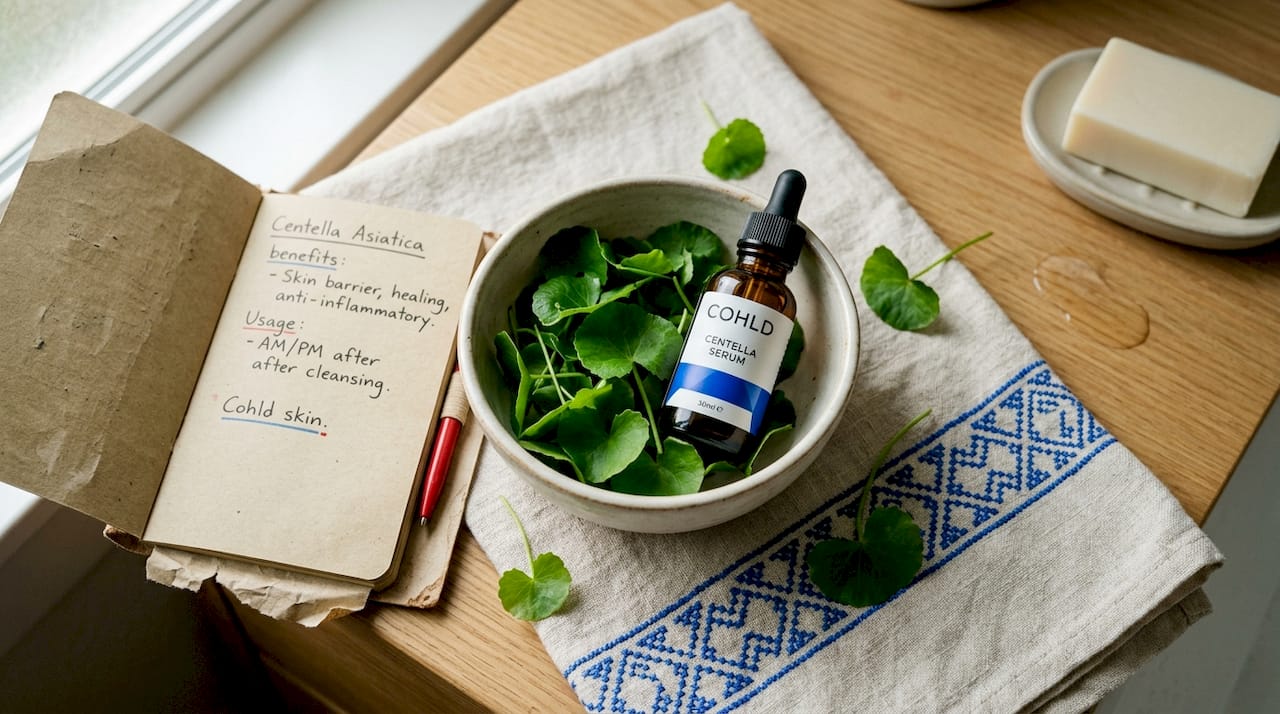
Centella asiatica, a plant used in Ayurvedic and traditional Chinese medicine for centuries, is now one of the most studied botanical ingredients in dermatology. Natural ingredients like Centella asiatica promote collagen synthesis, reduce inflammation, and measurably improve hydration, elasticity, and wrinkle depth in clinical studies. The active compounds, primarily triterpenoids like asiaticoside and madecassoside, stimulate fibroblast activity (the cells responsible for producing collagen in the dermis). This is not folklore; it is a mechanism that has been replicated across multiple peer-reviewed studies.
Opuntia ficus-indica, the prickly pear cactus, offers a different but equally compelling profile. Its active compound isorhamnetin, a flavonoid with anti-inflammatory and sebum-regulating properties, was tested in a rigorous clinical setting. Isorhamnetin from Opuntia ficus-indica reduced sebum by 21.1%, pore size by 9.6%, and the inflammatory marker TNF-alpha by 7.4% over 28 days in a trial specifically designed for oily skin. Those are numbers you’d expect from a prescription formula.
Key mechanisms where natural actives shine
- Collagen stimulation: Centella asiatica triterpenoids directly activate fibroblasts, accelerating the skin’s own repair cycle
- Sebum regulation: Isorhamnetin modulates lipid production without stripping the skin barrier the way harsh synthetics can
- Anti-inflammatory action: Both ingredients reduce pro-inflammatory cytokines (chemical messengers that cause redness and swelling) without the systemic risks associated with corticosteroids
- Antioxidant protection: Flavonoids from plant sources neutralize free radicals that accelerate aging
| Natural active | Primary benefit | Mechanism |
|---|---|---|
| Centella asiatica | Collagen synthesis, hydration | Fibroblast stimulation |
| Isorhamnetin (cactus) | Sebum control, pore reduction | Lipid regulation, TNF-α reduction |
| Kanuka oil | Barrier repair, itch relief | Antimicrobial, anti-inflammatory |
| Apple oil ursolic acid | Pigmentation reduction | Melanin inhibition |
Pro Tip: If you’re adding proven natural actives to your routine, look for products that combine them with bioavailable support ingredients. A skin-firming cream with DMAE and CoQ10 pairs antioxidant protection with structural support in one step. Pairing topical actives with internal support, such as grass-fed collagen peptides, gives your skin both the building blocks and the topical signals it needs to rebuild effectively.
Purity and sustainability: Why they matter
Understanding the clinical evidence naturally leads to a bigger question: why does the source of an ingredient matter, not just its chemical identity? The answer sits at the intersection of biology and values.
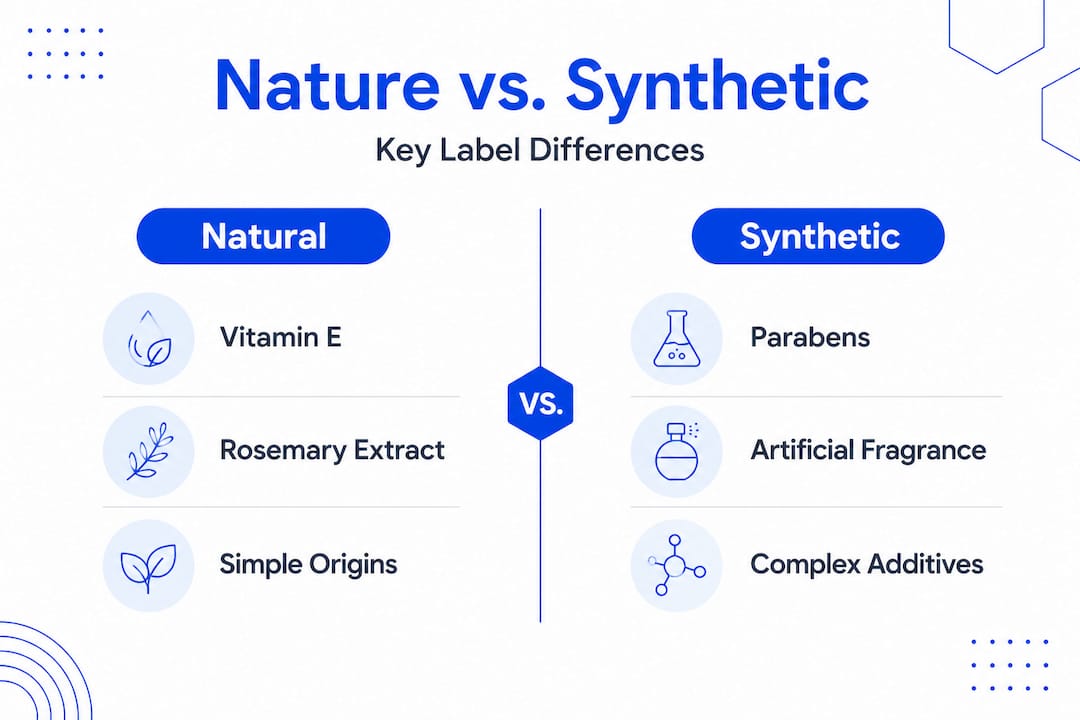
Purity, in the context of natural skincare, means removing what doesn’t belong. Conventional synthetic formulas often include parabens (preservatives linked to endocrine disruption), synthetic fragrances (a common cause of contact dermatitis), petroleum-derived emollients, and stabilizers that accumulate in tissue over time. Natural skincare appeals to health-conscious users for purity, avoiding these synthetics through eco-sourced, cleaner formulations. For skin that is already sensitized, inflamed, or reactive, eliminating these unnecessary compounds can make a dramatic difference.
Sustainability is the second pillar, and it connects your skincare choices to something much larger than your bathroom shelf. Eco-sourcing means choosing raw materials harvested through regenerative agriculture, without synthetic pesticides or fertilizers that degrade soil health and leach into waterways. Grass-fed tallow, for example, comes from animals raised on pasture, which supports carbon sequestration in soil and avoids the concentrated waste pollution of factory farming. Ingredients like tallow cream with orange bergamot represent this intersection well: they are ancestral in origin, biologically compatible with human skin, and sourced in a way that respects the ecosystem that produces them.
“Purity isn’t just about what’s in the formula. It’s about what’s been left out, and why.”
What to look for when reading a label
- Short ingredient lists: Fewer ingredients means less chance of hidden irritants or synthetic fillers
- Named botanical sources: “Centella asiatica extract” is more trustworthy than “herbal blend”
- Certifications and sourcing claims: GMP-compliant, grass-fed, and pasture-raised are verifiable standards
- No synthetic fragrances: “Fragrance” on a label can represent dozens of undisclosed chemicals
- Preservation method transparency: Cold-process soap, for example, retains glycerin that commercial processing strips out
| Factor | Natural skincare | Conventional synthetic |
|---|---|---|
| Preservatives | Vitamin E, rosemary extract | Parabens, formaldehyde releasers |
| Fragrance | Named essential oils | Synthetic “fragrance” blends |
| Emollients | Tallow, shea, jojoba | Mineral oil, silicones |
| Environmental impact | Regenerative sourcing | Petroleum-derived, high carbon |
| Skin compatibility | Matches skin lipid profile | Variable, often occlusive |
Supporting your skin from the inside out matters too. Exploring natural supplement options that align with the same clean sourcing standards you apply to your skincare creates a coherent, whole-body approach to health.
Clinical evidence: Natural vs. synthetic performance
Beyond the values conversation, we need to talk about data. Because for a health-conscious person making real purchasing decisions, “natural feels better” isn’t good enough. What does the research actually show when natural ingredients go head-to-head with conventional treatments?
The results are striking in several documented cases.
Lindioil, a natural oil derived from indigo naturalis, was evaluated in patients with atopic dermatitis (eczema). Lindioil reduced EASI scores in atopic dermatitis patients to a degree comparable to tacrolimus, a pharmaceutical immunomodulator, but with a significantly better side effect profile. Tacrolimus carries a black box warning about lymphoma risk with long-term use. Lindioil carries no such burden.
Kanuka oil, derived from a New Zealand tree in the myrtle family, was studied in patients with rosacea. Kanuka oil 3% cream not only improved ISGA (Investigator Static Global Assessment) scores more than 1% hydrocortisone, it also reduced itch faster. Hydrocortisone is the standard first-line topical corticosteroid for inflammatory skin conditions. Kanuka oil outperformed it in both primary and secondary endpoints without the risk of skin thinning that comes with steroid use.
How to evaluate natural skincare for your specific needs
- Identify your primary concern first. Oily skin, eczema, hyperpigmentation, and aging all respond to different actives. Match the ingredient to the problem.
- Look for randomized controlled trials. Anecdotes and before/after photos are not clinical evidence. Search PubMed or look for brands that cite peer-reviewed studies.
- Check the concentration. A product can list Centella asiatica and contain only trace amounts. Effective products disclose concentration ranges or have published their formulas in clinical settings.
- Start with a single active. Introducing multiple new ingredients at once makes it impossible to identify what’s working or causing a reaction. Add one at a time.
- Give it time. Natural actives often work through cellular mechanisms that take 4 to 8 weeks to show visible results. Patience matters here.
Supporting your skin’s cellular health from within is also worth considering. NAD+ is involved in DNA repair and mitochondrial function, both of which affect how effectively skin cells regenerate and respond to active ingredients.
Statistically, natural actives in these trials showed results within ranges that conventional medicine considers clinically meaningful, often defined as a 20% or greater improvement from baseline. The evidence base is growing, and it is strong enough to move beyond novelty status.
Modern natural skincare: Blending tradition and innovation
The most exciting development in natural skincare is not any single ingredient. It’s the convergence of ancestral knowledge with modern biotechnology. Cultures around the world have used plants, animal fats, and mineral compounds on skin for thousands of years. What’s new is that we now have the tools to explain exactly why those traditions worked and to enhance them.
Apple oil ursolic acid is a clear example. Ursolic acid has appeared in herbal medicine for generations, but it was only recently studied in a rigorous modern context. Apple oil ursolic acid reduced the melanin index by 10.2% and UV-related spots by 6.4% in a 28-day randomized controlled trial targeting hyperpigmentation. This is the kind of precision result that validates what ancestral practitioners observed empirically.
Tallow is another ancestral ingredient undergoing a modern renaissance. Grass-fed beef tallow has a fatty acid profile that closely mirrors the lipids found in human sebum, meaning it absorbs readily without creating the occlusive barrier that mineral oil does. Traditional cultures across Europe, Africa, and the Americas used animal fats as skin protectants. Today, we can verify through lipid chemistry why this worked and source it from regenerative farms that make it environmentally defensible as well.
Natural ingredients with both ancestral roots and modern validation
- Centella asiatica: Used in Ayurvedic healing for wound repair, now validated for collagen synthesis and wrinkle reduction
- Kanuka and manuka oil: Traditional Maori medicine, now shown to outperform corticosteroids in specific conditions
- Tallow: Ancestral skin protectant, validated by its fatty acid compatibility with human sebum
- Apple oil: Traditional food medicine, now confirmed effective for UV spot reduction in RCTs
The market is responding to this convergence. Market growth to $70.8 billion by 2035 reflects accelerating demand for biotech-enhanced ancestral ingredients, a figure that signals this is not a passing trend. Consumers are asking harder questions about ingredient sourcing and efficacy, and the best brands are answering with science.
Pro Tip: When evaluating new natural products, look for brands that blend tradition with innovation in a verifiable way. That means citing clinical data, naming their sources, and avoiding vague language like “nature-inspired” or “plant-based blend.” Clean skincare innovation built on this foundation is the standard to hold every brand to. Pairing topical solutions with internal support, such as a maca root supplement for hormone balance, can complement the skin benefits you’re building from the outside.
The uncomfortable truth about natural skincare
Here is something most natural skincare advocates won’t say plainly: the word “natural” is not a safety guarantee, and it is not a synonym for effective.
Poison ivy is natural. So is arsenic. Fragrant essential oils are natural, and they are also one of the most common causes of allergic contact dermatitis reported by dermatologists. Cinnamal, eugenol, linalool, these are naturally occurring compounds found in cinnamon, cloves, and lavender, and they are responsible for a significant portion of cosmetic-related skin reactions. The clinical evidence we’ve discussed is specifically about studied natural ingredients used at tested concentrations. It does not apply to every product with a botanical on its label.
The deeper issue is that “natural” has become a marketing category more than a scientific one. A product can be labeled natural while containing synthetic preservatives, undisclosed fragrance compounds, and filler ingredients that dilute any active to the point of irrelevance. Greenwashing, where brands use natural imagery and language without the substance to back it, is rampant in this space.
What actually protects you is the same thing that protects you when evaluating any health product: demand evidence. Ask for the clinical studies. Look at the ingredient list in full. Check whether the concentration of the active compound is anywhere near the levels used in the trials showing benefit. Seek out brands that will tell you exactly where their ingredients come from, how they’re processed, and why they’re included.
Tallow cream is a great example of an ancestral ingredient that earns its place through biological compatibility and sourcing transparency, not through a marketing claim. Grass-fed sourcing, fatty acid compatibility with human skin, and a short, clean ingredient list are checkable, verifiable facts.
The health-conscious consumer deserves honesty. Natural skincare, at its best, delivers it.
Explore natural solutions with Cohld
If you’ve read this far, you’re not looking for marketing language. You’re looking for products that actually back their claims with real ingredients and real sourcing standards.

At Cohld, every product starts with that standard. The grass-fed tallow cream is sourced from pasture-raised animals, formulated without synthetic fillers, and designed to work with your skin’s natural lipid structure. The charcoal detox soap uses activated charcoal to draw out impurities without stripping the skin barrier. And for internal skin support, pure collagen peptides sourced from grass-fed animals give your body the amino acids it needs to rebuild from within. These aren’t trends. They’re the evidence-based, ancestral-meets-modern approach that this article has been describing.
Frequently asked questions
Do natural skincare products work as well as synthetic ones?
Clinical studies confirm that specific natural actives match or outperform synthetics in direct trials, including kanuka oil outperforming 1% hydrocortisone for rosacea outcomes. Efficacy depends on the specific ingredient, its concentration, and the condition being treated.
What are the main benefits of switching to natural skincare?
Natural skincare reduces exposure to synthetic irritants like parabens and artificial fragrance, uses eco-sourced ingredients, and applies ancestral remedies validated by modern research. Natural skincare appeals to health-conscious users for exactly these reasons, combining cleaner formulas with meaningful environmental benefits.
Are there risks with natural skincare ingredients?
Yes. Some natural compounds, including essential oils and botanical extracts, can cause irritation or allergic reactions in sensitive individuals. Always review the full ingredient list and look for products backed by clinical testing at proven concentrations before committing to a new formula.
How can I identify high-quality natural skincare products?
Look for clinical citations supporting the key ingredients, transparent sourcing claims (like grass-fed or GMP-compliant), a clear and short ingredient list, and brands that name specific botanical sources rather than using vague “blend” language.
What are examples of evidence-backed natural skincare ingredients?
Centella asiatica promotes collagen synthesis, improves hydration, and reduces wrinkle depth in clinical studies. Kanuka oil, Lindioil, and apple oil ursolic acid also have peer-reviewed trial results demonstrating measurable, meaningful improvements for specific skin conditions.